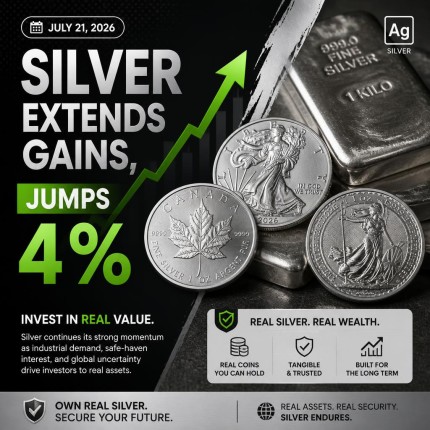
Silver prices continued to build momentum today, with the metal extending prior gains and jumping 4% on July 21, 2026. The move reflects renewed investor interest across the precious metals complex, as traders respond to shifting expectations for interest rates, currency dynamics, and broader market risk sentiment. While day-to-day price action is influenced by a variety of factors, a strong intraday surge like this often signals that demand is accelerating.
For buyers and investors following the precious metals market, today’s rally offers more than a headline. It provides a snapshot of how silver is trading at the intersection of macro forces (such as real yields and inflation expectations), market positioning, and physical demand narratives. Understanding what’s driving silver higher can help readers make sense of current conditions and plan more thoughtfully for what comes next.
What Happened: Silver Jumps 4% on July 21, 2026
On July 21, 2026, silver extended its gains and rose by approximately 4%. Moves of this magnitude in a single session typically indicate that buyers were willing to step in quickly—whether through spot purchases, exchange-traded activity, or broader demand for metals perceived as both an investment and an industrial input.
Beyond the percentage move, what matters to market observers is the strength and follow-through. A rally that continues from prior sessions often attracts additional attention from both short-term traders and longer-term allocators. When price breaks higher and holds, it can trigger new buy orders, including momentum-driven strategies and short-covering dynamics.
Why Silver’s Strength Matters Right Now
Silver is sometimes called a “barometer” for economic and industrial activity because it has substantial end-use demand across sectors such as electronics, solar energy, and other manufacturing applications. At the same time, it remains tightly watched as a store-of-value and a hedge against monetary uncertainty. When silver rises meaningfully, it can suggest that the market is recalibrating its expectations about growth, inflation, and the purchasing power of money.
Additionally, silver has its own unique supply-demand profile. Production constraints, recycling rates, and the pace of industrial consumption can all influence how quickly the market absorbs available supply. When sentiment improves and investors seek exposure to precious metals, silver often moves with heightened sensitivity compared with some other asset classes.
Key Drivers Behind Today’s Silver Rally
1) Expectations for Interest Rates
One of the most important influences on precious metals is the outlook for interest rates. Typically, when investors anticipate lower rates—or a shift toward a more accommodative monetary stance—metals can become more attractive. This is because lower yields reduce the opportunity cost of holding non-yielding assets like silver.
While the exact catalyst can vary from day to day, traders frequently react to data releases, central bank commentary, and changes in bond market expectations. A sudden shift can quickly move the entire precious metals complex, with silver sometimes reacting more strongly than gold due to its market structure and demand characteristics.
2) Real Yields and Currency Effects
Silver is often influenced by real yields (yields adjusted for inflation expectations) and the strength of the U.S. dollar. When the dollar weakens or real yields fall, silver can benefit as it becomes cheaper for buyers using other currencies. Conversely, a stronger dollar can make silver more expensive for international participants.
Today’s jump suggests that market conditions may have aligned in silver’s favor—whether through softer yield expectations, a weaker dollar, or both.
3) Risk Sentiment and Portfolio Rebalancing
Precious metals are frequently used for portfolio diversification. If investors rotate away from equities or other risk assets—or if they simply seek “tangible” exposure during uncertain periods—silver can see increased inflows. A sharp intraday increase can reflect both new buying and repositioning, as portfolios adjust to prevailing conditions.
4) Industrial Demand Narrative
Silver’s industrial footprint plays a role in how traders interpret price action. When energy transition themes (such as solar and electrification) remain firmly in focus, market participants may continue to view silver as a metal with long-term demand drivers. Even if industrial consumption headlines are mixed, the broader narrative can still influence sentiment.
How Investors and Buyers Typically React to a 4% Move
A rally of this scale often changes behavior quickly. Some investors view it as confirmation that momentum is strengthening and may look to add exposure. Others may choose to wait for a pullback to improve their entry price. Meanwhile, physical buyers may increase purchasing activity when they sense demand is accelerating.
If you’re following silver for investment purposes, it’s helpful to remember that volatility can work both ways. While strong up days are encouraging, they can be followed by consolidation as traders evaluate whether the move is likely to persist.
Short-Term Outlook: What to Watch After Silver Extends Gains
Following a strong session, several factors typically determine whether gains continue:
- Follow-through in price: Does silver hold above key levels, or does it retrace quickly?
- Dollar and yield movement: Precious metals often respond rapidly to shifts in rates and currency strength.
- Trading volume and liquidity: Higher volume can indicate stronger conviction behind the move.
- Broader precious metals sentiment: Gold, platinum, and palladium performance can provide context for whether the rally is sector-wide.
Today’s 4% jump may be a turning point or simply a strong reaction to specific market catalysts. Either way, the market is clearly showing increased interest in silver right now.
Medium- to Long-Term Considerations for Silver Investors
Beyond what happens tomorrow, many readers focus on the longer arc. Silver’s appeal can come from a combination of:
- Inflation hedging and monetary diversification
- Industrial demand tied to technological growth
- Supply constraints and the natural scarcity of extractable metals
- Potential re-rating during periods when investors prefer hard assets
For long-term holders, day-to-day movement is only part of the equation. What matters most is whether your thesis remains intact and whether you’re comfortable with how silver behaves—especially when macro headlines can move it quickly.
Physical Silver vs. Market Exposure
Many investors prefer holding physical silver for tangibility and long-term planning. Others use financial products for convenience or liquidity. Both approaches can make sense depending on your goals.
Physical silver purchases often align with a “store of value” mindset, particularly when buyers want direct possession of the asset. Market exposure through trading platforms may appeal to those looking to capitalize on price movements more actively.
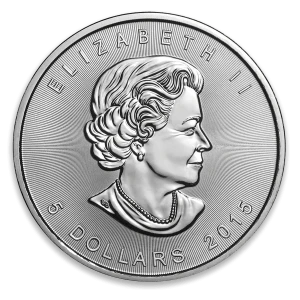
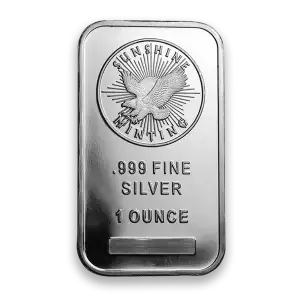
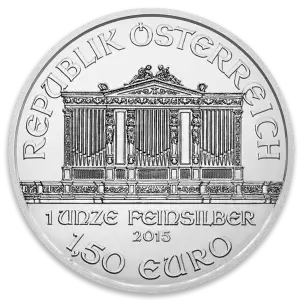
If you’re exploring physical options, it can be useful to consider factors such as product form (coins vs. bars), premiums, storage plans, and how the purchase fits into your broader allocation strategy.
Why This Matters for Gold and the Broader Precious Metals Complex
Silver rarely trades in isolation. When silver strengthens sharply, it can signal that investors are searching for value within the precious metals market—or that they are broadening exposure to metals beyond gold. Because silver can exhibit higher volatility, it sometimes becomes the “high-beta” expression of precious metals demand.
In practical terms, strong silver performance can indicate that the entire complex may be finding support. Even if the reasons differ between metals, the correlation in sentiment can help readers gauge whether the rally is likely to persist.
Bottom Line: Silver Extends Gains as Buyers Step In
With silver rising about 4% today, July 21, 2026 stands out as a notable session for anyone tracking precious metals. The move reflects a blend of macro tailwinds, changing expectations, and investor behavior that can accelerate when momentum builds.
Whether you’re a long-term silver holder or a buyer evaluating entry points, the most important takeaway is that demand for silver appears to be strengthening in the near term. As always, staying attentive to rate expectations, currency direction, and broader market sentiment can help you better understand where prices may head next.
Disclaimer: This article is for informational and educational purposes only and does not constitute financial advice. Prices can be volatile, and past performance is not indicative of future results. Consider your financial situation and risk tolerance before making investment decisions.