Gold Outlook: Why Goldman Sees the Path Toward $4,900
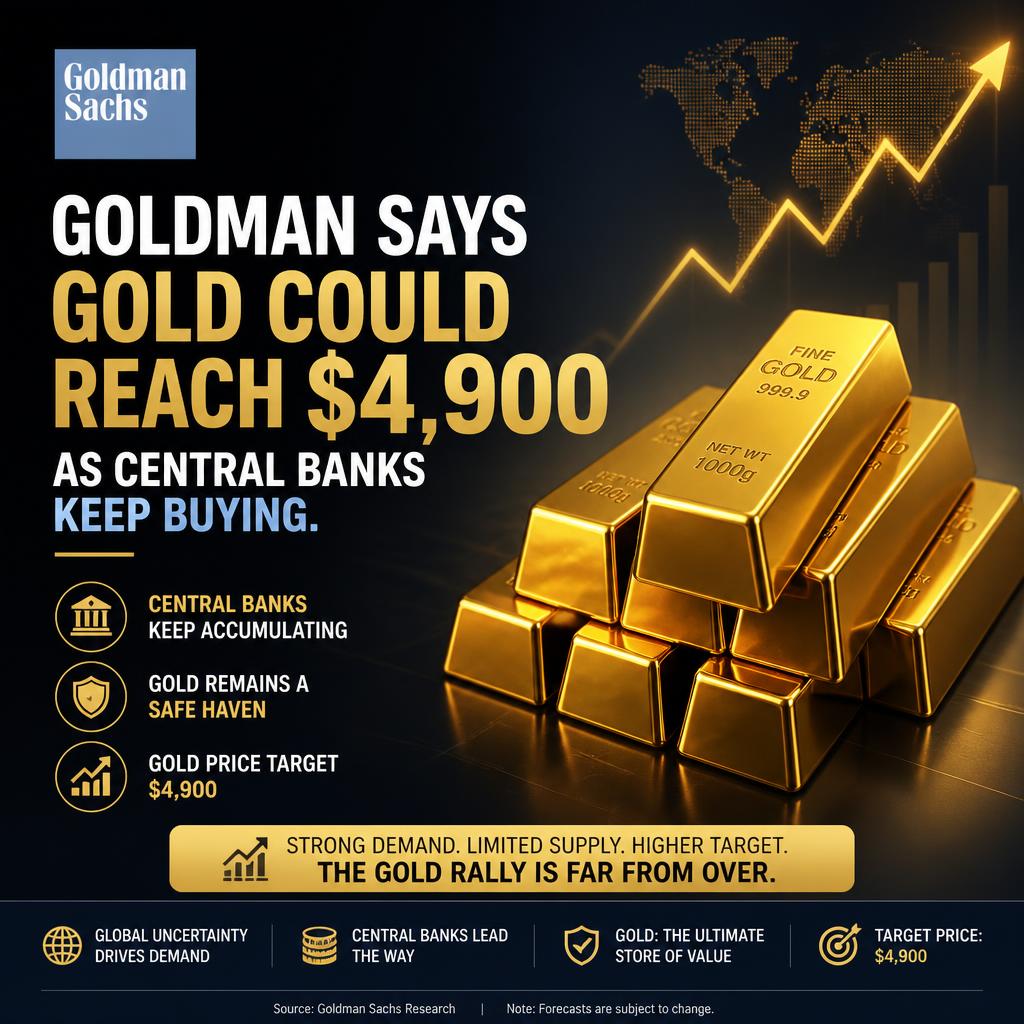
Gold continues to attract attention as a strategic asset, and recent commentary from Goldman has reignited interest in the metal’s long-term upside. The firm’s outlook—suggesting gold could potentially reach $4,900 as central banks keep buying—highlights an important theme for investors: the demand drivers behind gold are not solely tied to day-to-day market trading. Instead, a powerful structural factor is emerging in the background—official sector accumulation.
For readers trying to understand the gold market beyond headlines, it helps to break down what it means when major institutions point to higher price scenarios. In most cases, the argument rests on a combination of sustained demand, shifting monetary preferences, and macroeconomic conditions that influence real yields, currency strength, and risk sentiment.
Central Bank Buying: The “Demand Engine” Behind Gold
When central banks purchase gold, it’s not typically for short-term speculation. Official sector buying tends to be motivated by longer-term reserve management goals—such as diversifying foreign exchange reserves, improving balance-sheet resilience, and reducing reliance on any single currency framework.
This type of demand can be especially impactful during periods when private investor flows are inconsistent. Even if retail or institutional traders reduce exposure temporarily, central bank activity may continue to provide a steady bid underneath the market.
In practical terms, gold’s supply and demand dynamics can become more favorable to prices when the world’s largest buyers keep stepping in. That’s why commentary about central bank accumulation often correlates with a more bullish market tone.
Why $4,900 Matters: Understanding the Bullish Scenario
Price targets like $4,900 are not guarantees—gold markets can be volatile—but they provide a framework for what analysts consider possible under certain conditions. Such targets often depend on how quickly and how strongly market participants re-price expectations for:
- Real interest rates (rates adjusted for inflation)
- Inflation expectations
- Currency performance (especially the U.S. dollar)
- Geopolitical risk and “safe-haven” demand
- Central bank reserve policy
If the environment supporting gold remains intact—particularly with central banks continuing to add to reserves—then bullish forecasts can gain traction. Conversely, if conditions abruptly change (for example, if real yields surge sharply and demand softens), prices may consolidate or pull back.
What Keeps Gold Attractive to Investors Right Now?
Gold has a long-standing reputation as a hedge against uncertainty. However, its appeal in any specific cycle depends on the broader macro backdrop. Here are several reasons gold continues to be monitored closely:
1) Diversification and Reserve Strategy
For central banks, gold is a monetary asset with global liquidity. It can complement reserves held in currencies and other instruments. When reserve managers seek diversification, gold often fits naturally into the toolkit.
2) Monetary Policy Uncertainty
Global monetary policy remains a major driver of market expectations. When investors believe policy rates may not rise as fast as previously expected—or that cuts could arrive sooner—gold can benefit through reduced pressure from real yields.
3) Inflation and Purchasing Power Concerns
While gold does not directly generate income like bonds or dividends like equities, it can help preserve purchasing power during inflationary periods. When inflation expectations rise or become harder to anchor, gold may regain relevance as a protective allocation.
4) Geopolitical and Financial Stability Risks
In times of uncertainty—whether related to trade dynamics, regional conflicts, or broader financial system concerns—gold often performs as a safe-haven asset. Even if the immediate shock fades, the re-pricing of risk can continue to support demand.
Central Banks vs. Private Investors: How Each Influences Price
It’s useful to distinguish between different segments of the market:
- Central banks tend to purchase with reserve objectives in mind. Their activity can be steady, strategic, and less sensitive to short-term price moves.
- Private investors (retail and some institutional buyers) may react faster to price trends, ETF flows, and sentiment changes.
When central bank demand is robust, it can reduce the likelihood of a prolonged downside move. Gold’s price may still correct during periods of strong dollar performance or rising real yields, but the “bid” from official sector buying can help underpin longer-term momentum.
Real Yields and the Gold Price Relationship
A key piece of the gold puzzle is real yields. In general, gold tends to be more attractive when real yields are low or falling because the opportunity cost of holding a non-yielding asset decreases.
If real yields rise sharply, investors may rotate toward bonds, which can put temporary pressure on gold. However, the central bank demand narrative can offset some of that pressure—especially when reserve buyers view gold as a durable store of value.
Dollar Strength and Currency Effects
Gold is priced globally in U.S. dollars. When the dollar strengthens significantly, gold can become more expensive for non-dollar buyers, sometimes dampening demand. When the dollar weakens, gold can become more accessible, supporting additional buying interest.
Still, the central bank theme matters. Reserve diversification decisions are not solely driven by short-term currency fluctuations. That’s why a sustained official sector bid can help keep the market’s longer-term direction bullish, even amid dollar-driven headwinds.
What This Means for Gold Buyers and Collectors
For consumers and investors considering gold, the current market narrative can be especially relevant. If central banks keep accumulating and analysts maintain constructive price scenarios, investors may increasingly view gold as a strategic asset rather than only a short-term trade.
Gold purchases often fall into two broad categories:
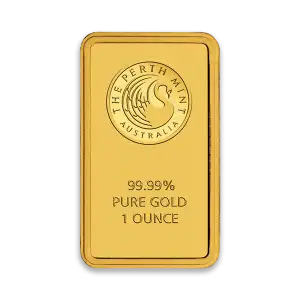
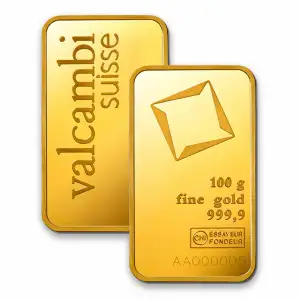
- Investment-grade bullion aimed at long-term wealth preservation
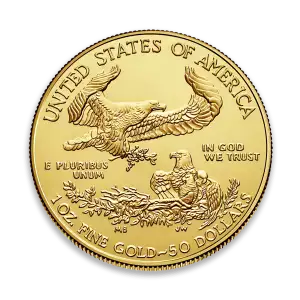
- Collectible or numismatic coins where rarity and demand can influence premiums
Regardless of category, buyers typically weigh liquidity, authenticity, and storage considerations. Choosing reputable products and reliable dealers can help ensure that the gold you buy aligns with your goals—whether you’re building a portfolio or adding to a collection.
How to Think About Timing: Patience vs. Volatility
Gold prices can move quickly, influenced by interest rate expectations, risk sentiment, and currency changes. Even if the long-term thesis is bullish, short-term price action can be noisy.
A practical approach for many buyers is to focus on long-term allocation rather than trying to perfectly time every fluctuation. If your goal is to accumulate over time, staged purchases can help manage entry-price variability. That said, every investor’s circumstances are different, and it’s wise to consider your timeline, risk tolerance, and available budget.
Market Signals to Watch Going Forward
While Goldman’s commentary provides a spotlight on central bank-driven demand, investors generally monitor multiple indicators to gauge whether the bullish case is strengthening or weakening:
- Official sector gold purchases and reported reserve trends
- Real yield direction (including changes tied to inflation expectations)
- U.S. dollar strength relative to major currencies
- Inflation data releases and central bank guidance
- Risk sentiment driven by geopolitical headlines and market volatility
If these signals continue to align, higher gold price scenarios can gain momentum. If they don’t, gold may consolidate—but central bank demand still provides a long-term supportive narrative.
Why This Headlines-to-Action Shift Matters
Headlines like “Goldman Says Gold Could Reach $4,900” often move markets quickly, but the real value for readers comes from understanding what stands behind the number. In this case, the central message is that institutional reserve buying is increasingly seen as a durable factor.
When the “why” becomes clearer—central banks diversifying reserves, monetary policy expectations evolving, and macro uncertainty persisting—gold’s role in investor portfolios can appear more compelling. That doesn’t remove the possibility of pullbacks, but it reframes the market: gold may be supported by structural demand even when sentiment fluctuates.
Conclusion: A Bullish Case Built on Central Bank Demand
The possibility of gold reaching $4,900, as discussed by Goldman, rests on a broader thesis: central banks are still buying, and that official demand can be powerful enough to influence the market’s medium- to long-term trajectory. Combined with macro factors such as real yields, currency dynamics, and risk sentiment, continued reserve accumulation may help sustain a bullish narrative for gold.
For investors and buyers, the key takeaway is to look beyond short-term price swings and focus on the underlying drivers. If central bank purchasing continues and the macro backdrop remains supportive, gold could remain in the spotlight as one of the most resilient assets in turbulent times.
Ready to explore gold products? Consider choosing bullion options that match your objectives—whether you’re building a long-term holdings plan or adding high-quality pieces to your portfolio. Always verify product specifications, premiums, and authenticity through trusted sources.